
 Parents often carry attachment wounds, fears, or emotional patterns from childhood into parenting without fully realizing it. The way you respond to stress, conflict, emotions, and repair can quietly shape how safe and connected your child feels growing up.
Attachment is the emotional bond between people. Children learn emotional safety and self-worth through repeated interactions with caregivers. The way you respond to stress, conflict, emotions, and repair helps shape that attachment relationship.
Delight in your child
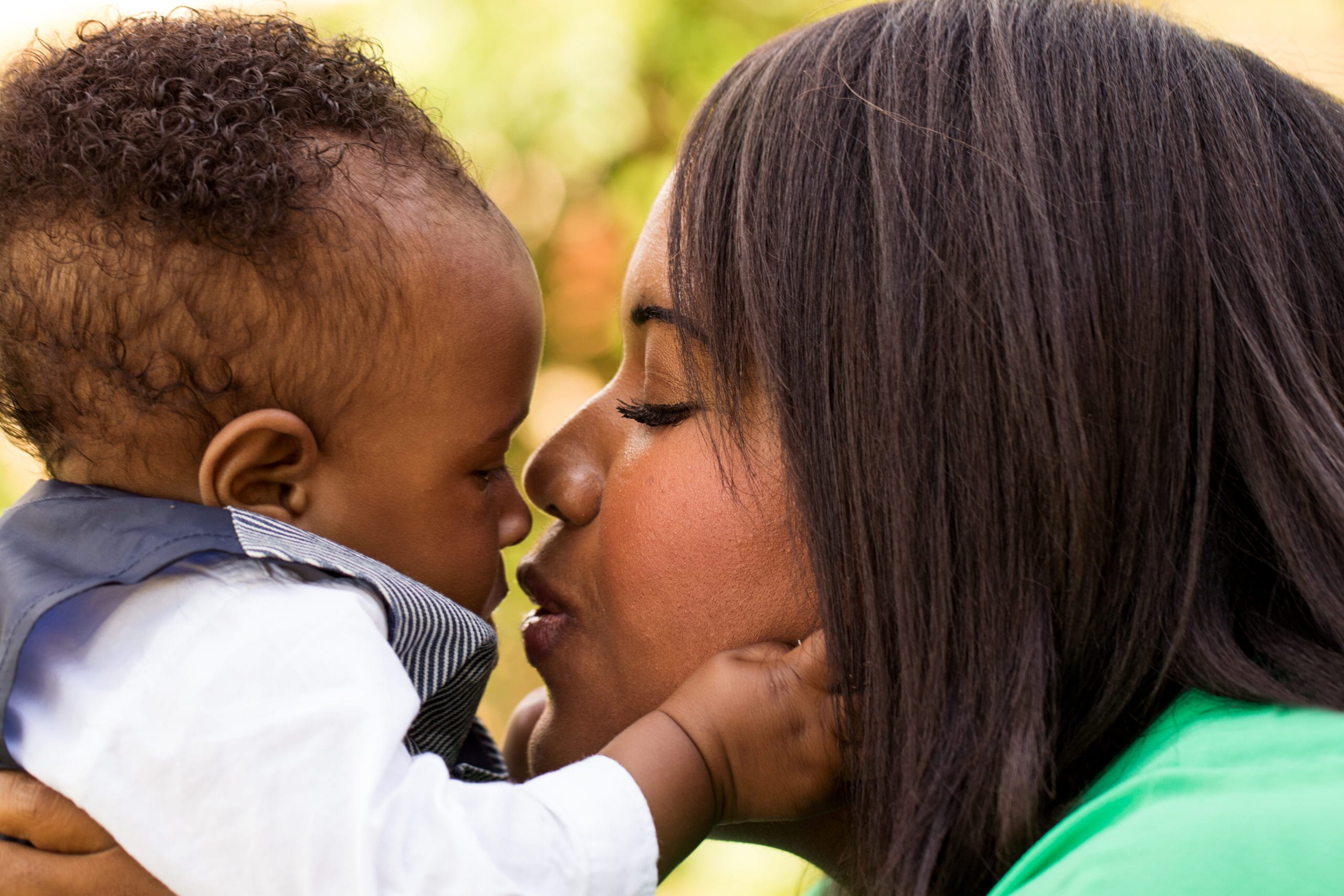
Delighting in your child strengthens attachment by helping them feel emotionally welcomed and valued. Research on “serve and return” interactions shows that responsive back-and-forth moments like eye contact, laughter, and emotional presence help support healthy emotional and brain development
Parents who grew up emotionally overlooked sometimes find this difficult because emotional connection may not have been modeled consistently for them.
build trust through consistency
Consistency strengthens attachment because children learn they can emotionally rely on you. Following through, staying emotionally present, and repairing mistakes help children feel secure within the relationship.
Perfection is not what builds trust. Predictability and emotional reliability do. EMDR for relational trauma can also help parents better understand emotional patterns that may affect consistency during stress or conflict
Repair relationship ruptures
Conflict between parents and children is normal. Children feel safer when difficult moments are acknowledged instead of ignored or minimized.
Honest repair teaches children that relationships can experience conflict without losing connection, care, or emotional safety afterward.
Create safety while allowing exploration
Children need protection, but they also need space to explore, try, fail, and develop confidence. Parents carrying unresolved fear sometimes become overly protective without realizing how much anxiety children absorb emotionally.
Confidence develops when children feel supported while still being allowed to experience independence gradually.
Help your child process hard experiences
Children can be deeply affected by rejection, divorce, bullying, loss, or sudden change, even when adults see those experiences as “small.” Feeling emotionally supported during difficult moments helps children feel less alone with overwhelming emotions.
Parents do not need to solve everything perfectly. Emotional presence and openness matter greatly.
Support your child’s individuation
Children need room to develop their own interests, personality, opinions, and identity instead of becoming emotional extensions of their parents. Feeling accepted for who they genuinely are strengthens emotional security within the relationship.
Parents sometimes unconsciously expect children to think, feel, or behave exactly as they would themselves. Breaking generational patterns often begins with recognizing those emotional expectations early.
Seek help for your own trauma
Unresolved emotional wounds often shape parenting reactions during stress, conflict, or emotional overwhelm without parents fully realizing it. Children are deeply affected by the emotional patterns adults carry unconsciously across generations.
EMDR for relational trauma in Denver can help parents better understand how their own attachment wounds, fear, or emotional history may still be affecting relationships at home. You do not have to keep parenting from survival patterns you never chose in the first place.
Get a free consultation to start building safer and more connected relationships within your family.
Frequently asked questions
How do you strengthen attachment with your child?
Children feel more emotionally secure when parents stay present, consistent, and emotionally responsive during everyday interactions. Small moments like listening closely, repairing conflict, and showing emotional warmth often shape attachment more than grand parenting gestures.
Why does repair matter in parenting?
Repair helps children learn that conflict does not automatically mean rejection, shame, or disconnection. Apologizing, reconnecting, and talking through difficult moments teaches children that relationships can remain emotionally safe even after tension or mistakes happen.
Can a parent’s trauma affect attachment?
Yes. Unresolved trauma can quietly affect emotional reactions, stress responses, fear, and parenting behaviors without someone fully realizing it. Attachment wounds therapy Denver often helps parents recognize patterns that may have started long before becoming a caregiver themselves.
Can EMDR help parents break generational patterns?
Yes. EMDR therapy Denver can help parents process unresolved emotional experiences that continue affecting parenting, relationships, and emotional regulation. Breaking generational trauma often begins with understanding how survival patterns from childhood still appear during stress or conflict.
When should I contact an EMDR therapist in Denver?
You may benefit from contacting an EMDR therapist Denver if parenting feels emotionally overwhelming, conflict triggers intense reactions, or you notice repeating family patterns you want to change. Therapy can help create safer and more emotionally connected relationships at home.
IF YOU WOULD LIKE TO HAVE A FULL LIST OF THE DEVELOPMENTAL NEEDS OF CHILDREN, SEND ME A MESSAGE THROUGH THE CONTACT FORM BELOW–I WILL E-MAIL IT TO YOU!