

Is EMDR psychotherapy? It’s a question I hear from people who are looking for trauma therapy and want to understand what makes EMDR different.
Yes. EMDR is a specialized form of psychotherapy that helps people heal from trauma and other distressing life experiences. It combines a structured therapeutic approach with bilateral stimulation and is supported by decades of research as an effective treatment for trauma.
Like every form of therapy, EMDR has strengths, limitations, and a place within a thoughtful treatment plan. Here’s what it is, what the research says, and how to decide if it may be the right approach for you.
Is EMDR a type of psychotherapy?
 Eye Movement Desensitization and Reprocessing (EMDR) is a specialized form of psychotherapy that helps people heal from trauma and other distressing life experiences.
It combines psychotherapy with bilateral stimulation, such as guided eye movements or gentle tapping, to help the brain revisit difficult memories in a way that feels safer and easier to manage.
Like other forms of psychotherapy, EMDR supports healing within a safe and trusting therapeutic relationship. You don’t have to tell every detail of your story. Instead, the focus is on helping traumatic memories carry less emotional weight, making it easier to respond to the present with a greater sense of safety and balance.
How is EMDR different from traditional talk therapy?
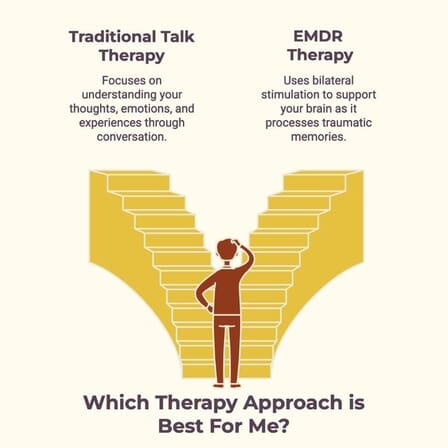
EMDR focuses on helping traumatic memories lose their emotional impact, while traditional therapy often helps you understand yourself more deeply.
Traditional talk therapy creates change through conversation, helping you better understand your thoughts, emotions, and experiences.
EMDR places less emphasis on talking through every detail of what happened in the past. Instead, it uses a structured process with bilateral stimulation to help your brain process trauma.
What evidence supports EMDR psychotherapy?

Research has consistently shown that it helps reduce the symptoms of trauma-related conditions, which is why major organizations, including the American Psychological Association (APA), recognize it as an evidence-based treatment.
In one review, 24 randomized controlled trials found EMDR effectively reduced the effects of emotional trauma. Among studies that directly compared therapies, 7 out of 10 found EMDR produced faster or greater improvements than trauma-focused Cognitive Behavioral Therapy (CBT).
More recent reviews now report more than 30 randomized controlled trials supporting EMDR for PTSD, reinforcing its place as one of the most established trauma psychotherapies available today.
What is EMDR therapy used for?
 EMDR therapy is used to help people heal from trauma and other distressing experiences that continue to affect them.
While it was originally developed to treat PTSD, research also supports its use for anxiety, depression, phobias, grief, medical trauma, and other concerns linked to difficult life experiences.
Trauma can continue to shape the way you respond long after the event has ended. EMDR helps those experiences feel less overwhelming, making it easier to stay present rather than being pulled back into the past.
What are the limits of EMDR therapy?
 EMDR therapy is a highly effective trauma treatment, but it also has important limitations related to readiness, therapist expertise, and the concerns it’s designed to treat.
EMDR can be remarkably effective, but it isn’t appropriate to begin trauma processing immediately in every situation. People living with complex trauma, severe dissociation, or overwhelming stress benefit from spending time building stability before moving into memory processing.
EMDR is also one part of a broader healing journey. While it helps reduce the impact of traumatic memories, some concerns are better supported by combining EMDR with other therapeutic approaches.
Working with a therapist who knows how to pace treatment thoughtfully is an important part of making EMDR both safe and effective.
Work with a trauma-informed EMDR therapist in Denver
EMDR is recognized as psychotherapy because healing involves much more than a technique. It involves feeling supported, working through experiences at a pace that feels manageable, and using an approach grounded in research. That’s what allows EMDR to become a meaningful part of trauma recovery for the people it’s appropriate for.
I’m here to answer your questions and help you decide if EMDR is the right approach for you. Schedule a Free Consultation.
FAQs about EMDR psychotherapy
Does EMDR count as psychotherapy?
EMDR is recognized as a form of psychotherapy. It is provided by licensed mental health professionals within a therapeutic relationship and follows a structured treatment approach to help people heal from trauma and other distressing life experiences.
What kind of psychotherapy is EMDR?
EMDR is a trauma-focused psychotherapy. It combines evidence-based psychotherapy with bilateral stimulation to help reduce the impact of distressing memories while supporting healthier beliefs, emotional resilience, and lasting healing.
Is EMDR psychology or psychiatry?
EMDR is psychotherapy, not psychiatry. It is provided by psychologists, licensed professional counselors, clinical social workers, and other trained therapists. Psychiatrists may also provide EMDR if they have completed specialized EMDR training.
Is EMDR just for PTSD?
No. EMDR is used for more than PTSD. Research also supports its use for anxiety, depression, phobias, grief, medical trauma, and other concerns connected to distressing or overwhelming life experiences.
Who is not suitable for EMDR?
EMDR isn’t the best starting point for everyone. If you’re experiencing severe dissociation, active psychosis, unmanaged substance use, or ongoing instability, therapy may first focus on building safety and coping skills before trauma processing begins.