

Feeling a tight knot in your chest day after day? Or brain fog that makes simple tasks feel harder than they should? When this becomes your normal, it often points to the long-term effects of stress on the body, not personal weakness.
Chronic stress builds quietly through work pressure, family demands, or constant worry. When stress doesn’t turn off, the nervous system stays in survival mode. Over time, that strain affects sleep, focus, digestion, mood, and physical health.
Understanding what prolonged stress is doing beneath the surface can change how you relate to these symptoms. It explains why pushing through rarely works and why healing needs to move at the speed of safety.
As a trauma therapist who works with stress-related overwhelm, I see how steady, well-paced support helps people feel more settled in their bodies again.
Long Term Effects of Stress on the Body
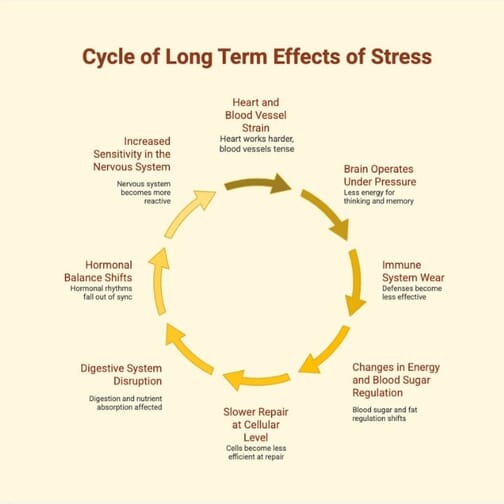
When chronic stress continues without relief, its
effects move beyond emotional strain. Research shows prolonged stress affects multiple body systems, gradually changing how the body functions and repairs itself.
Here are some of the effects a person may experience:
1. Heart and Blood Vessel Strain
Ongoing stress keeps the heart working harder than necessary. Blood vessels stay tense, leaving fewer chances for the body to fully relax.
That constant workload increases strain on the cardiovascular system and raises the risk of heart disease and stroke. The concern is less about sudden events and
more about steady pressure that never fully eases.
2. How the Brain Operates Under Pressure
Stress changes how the brain uses its energy. When survival mode stays active, less energy goes toward thinking, memory, and emotional balance.
Emotional processing, decision-making, and adaptability can all be affected. These changes reflect how the brain adjusts to pressure, not a lack of ability or effort.
3. Immune System Wear
Stress keeps the immune system on alert, even when there’s no real threat. Eventually, defenses become less effective. Getting sick more often or taking longer to recover happens because the system is tired.
4. Changes in Energy and Blood Sugar Regulation
Stress hormones influence how the body uses and stores energy. When those hormones remain elevated, regulation of blood sugar and fat can shift.
Risk for metabolic problems and insulin resistance increases. These effects often appear even when eating and activity habits stay the same.
5. Slower Repair at the Cellular Level
Stress interferes with the body’s repair processes at a basic level. Cells become less efficient at maintaining and restoring themselves. Physical wear accumulates, recovery takes longer, and resilience decreases across multiple systems.
6. Digestive System Disruption
The digestive system functions best in calm conditions. Stress redirects resources away from digestion and alters communication between the gut and brain.
Digestion, inflammation, and nutrient absorption can all be affected. Ongoing digestive issues often reflect stress in the system rather than problems with food alone.
7. Hormonal Balance Shifts
Stress disrupts the body’s natural hormonal rhythms. Systems that regulate sleep, reproduction, and energy balance can fall out of sync. Rather than one isolated issue, these changes tend to affect the body more broadly.
8. Increased Sensitivity in the Nervous System
Long-lasting stress lowers the nervous system’s tolerance. Signals that once felt manageable may begin to feel overwhelming.
Heightened sensitivity can contribute to chronic pain, tension, and slower physical recovery. Reactivity remains high when the system hasn’t learned that it’s safe to stand down.
Chronic Stress Symptoms Your Body Shows First
 Chronic stress rarely announces itself all at once. It shows up through small, repeated signals your body uses to ask for relief. Unlike short-term stress, ongoing pressure keeps your nervous system activated and slowly wears things down.
Common chronic stress symptoms include:
- Endless fatigue: Waking up tired even after sleep, because your system never fully powers down.
- Tension headaches: Jaw, neck, and shoulder tension from staying in a fight-or-flight state.
- Sleep disruption: Racing thoughts or waking during the night when cortisol remains elevated.
- Weight changes around the abdomen: Stress hormones shift how and where the body stores fat.
- Anxiety or irritability:Heightened reactivity from an overactive threat response, a pattern that responds well to EMDR for anxiety.
- Digestive issues: Bloating, constipation, or IBS flares linked to gut–brain imbalance.
- Frequent illness: Slower recovery and repeated infections as immune function weakens.
- Brain fog: Difficulty concentrating, remembering, or staying mentally present.
What Causes Stress?
 Stress often builds from repeated patterns rather than one major event. Common sources include:
- Ongoing work pressure keeps the body in effort mode without enough recovery.
- Financial strain creates a constant background sense of threat.
- Lack of connection removes an important buffer that helps the nervous system settle.
- Constant technology stimulation keeps the body alert through frequent notifications and screen exposure.
- Excessive stimulant use increases stress responses and interferes with rest.
- Weak or missing boundaries allow demands to exceed capacity for long periods.
- Unprocessed stress or trauma keeps the nervous system reactive even when life feels calmer.
How to Reduce or Avoid Stress in Everyday Life
 Reducing stress isn’t about doing everything right. It’s about small, steady shifts that help your body feel safer and less overloaded. These changes don’t remove stress completely, but they can reduce its impact and support your nervous system.
1. Gentle, Consistent Movement
Simple movement helps release stress from the body. Walking, stretching, or light activity done regularly can help calm stress responses.
Research shows that even moderate exercise supports stress relief by improving mood and helping the body discharge built-up tension.
2. Breathing to Calm the Nervous System
Slow breathing signals safety to the body. Lengthening the exhale can help reduce tension and reset during stressful moments.
3. Protecting Sleep
Sleep allows the nervous system to recover. Keeping evenings calmer and maintaining a regular bedtime can support deeper rest.
4. Staying Connected
Supportive relationships help buffer stress. Feeling understood and not alone can make challenges feel more manageable.
5. Setting Limits
Stress builds when demands exceed capacity. Noticing what drains you and adjusting expectations helps protect your energy.
5. Supporting the Body With Nourishment
Regular meals, hydration, and fewer stimulants later in the day help stabilize energy and mood during stress.
6. Professional Support When Needed
Some stress patterns are deeply wired into the nervous system. In those cases, outside support can be especially helpful. Therapies that focus on regulation and nervous system safety, such as EMDR or neurofeedback, can support recovery when self-guided strategies aren’t enough.
Take Back Your Health Today
The long term effects of stress on the body can feel overwhelming, but they are not permanent. When stress is understood and supported rather than pushed through, the body can begin to shift out of survival and into repair. Paying attention to stress patterns is not a setback. It’s a meaningful step toward steadier health.
Support can make that process feel safer and less isolating. If you’re ready to explore what your body may need, including support for the mood and energy shifts that come with prolonged stress, EMDR for depression is worth understanding. Reach out today to begin that conversation.
Frequently Asked Questions
Can chronic stress really cause long-term health problems?
Yes. Chronic stress can affect the heart, immune system, digestion, hormones, and nervous system. When the body stays in survival mode for too long, repair and recovery slow down. These changes don’t happen overnight, which is why stress-related health effects are often missed or misunderstood.
Are the long term effects of stress on the body reversible?
In many cases, yes. The body has a strong ability to recover when stress patterns change and the nervous system feels safer. Progress often happens gradually through rest, regulation, support, and consistency. Early awareness and gentle intervention make recovery easier and more sustainable.
How do I know if stress is affecting my body?
Stress-related effects often show up as ongoing fatigue, sleep disruption, digestive issues, emotional reactivity, or difficulty recovering from illness. These signs don’t always feel dramatic, but their persistence matters. If symptoms linger despite rest or effort, stress may be playing a larger role than expected.
Why doesn’t rest alone fix chronic stress?
Rest helps, but chronic stress often changes how the nervous system responds to safety. Even during downtime, the body may stay alert. This is why deeper regulation, emotional processing, or therapeutic support is sometimes needed to help the system fully stand down and return to balance.
When should I consider professional support for stress?
Professional support can be helpful when stress feels stuck, overwhelming, or tied to past experiences. If self-care alone isn’t bringing relief, therapies that focus on nervous system regulation, such as EMDR or neurofeedback, can help address stress patterns at their root rather than managing symptoms alone.