
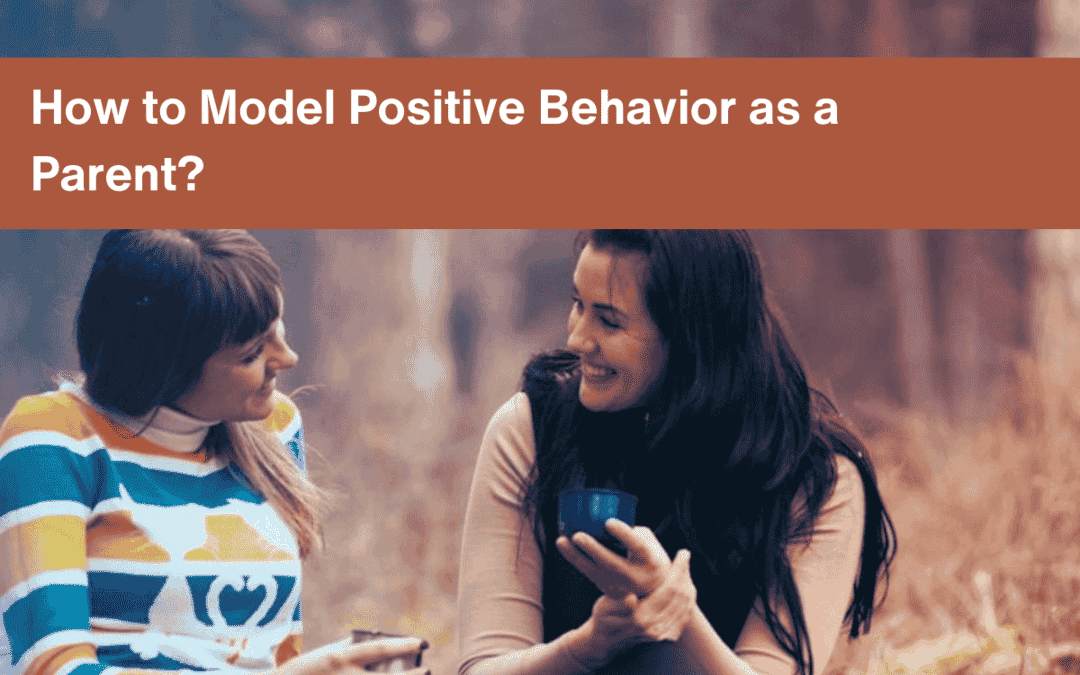
 How do we model positive behavior as parents? Children learn far more from what they consistently see than from what they are simply told.
The way parents handle stress, emotions, conflict, and relationships often becomes a child’s model for how to move through the world.
I’m Debbie Carter, a trauma therapist with more than 10 years of experience helping people heal from anxiety, depression, childhood trauma, and breaking generational patterns.
This article shares practical ways to model healthier behaviors through communication, emotional regulation, accountability, and everyday interactions.
Key Takeaways:
- Children learn more from actions than words
- Tone of voice shapes emotional safety
- Kids notice how parents treat other people
- Consistency builds trust and emotional security
- Apologizing teaches accountability and humility
Tip #1: Lead by example
How to model positive behavior in daily life
Although these seem like small things, they are actually the big things that help shape our children:
- Showing kindness: Hold the door for someone, thank people sincerely, or offer help when possible. Children notice how you treat others, especially during ordinary moments.
- Managing stress calmly: When you feel overwhelmed, pause and take a breath before responding. This teaches children that difficult emotions can be handled without reacting impulsively.
- Practicing gratitude: Say things like “I appreciate your help” or “I’m thankful we had time together today.” Simple expressions of gratitude help children focus more on connection and appreciation.
- Respecting others’ opinions: Listen calmly during disagreements instead of becoming dismissive or reactive. Children learn respectful communication by watching how adults handle different perspectives.
- Helping others: Let children see you support neighbors, family members, or friends during difficult moments. These experiences naturally teach empathy and compassion.
- Following through on commitments: If you say you are going to do something, try to follow through consistently. Children feel safer when parents are reliable and emotionally consistent.
Tip #2: Practice active listening
 A lot of people come into therapy with me and say they never really felt heard or understood by their parents. In turn, they grow up thinking that their thoughts and perspectives aren’t valuable, which leads to low self-esteem and confidence issues.
Active listening is a powerful way to connect with your child and show you genuinely care. By listening to them fully and reflecting on what they’ve shared, you validate their feelings and encourage them to always feel open to others’ perspectives, too.
Ways to show your child you care through active listening
These simple listening habits help children feel emotionally safe, heard, and valued during conversations:
- Be present: Put away distractions like your phone and focus entirely on the conversation. This shows your child they have your full attention.
- Use non-verbal cues: Nod, maintain eye contact, and lean in slightly. These small gestures communicate that you’re engaged and value what they’re saying.
- Ask open-ended questions: Invite them to share more by asking questions that go beyond yes or no answers. This encourages them to express their feelings fully.
- Validate their feelings: Acknowledge their emotions, even if you don’t fully understand. Saying, “I can see why you feel that way,” helps them feel supported.
Reflect back to show you understand
Nodding and saying you understand what your child is going through doesn’t always work. Reflecting their words back to them shows you are truly listening and trying to understand their emotional experience.
Tip #3: Show empathy and kindness
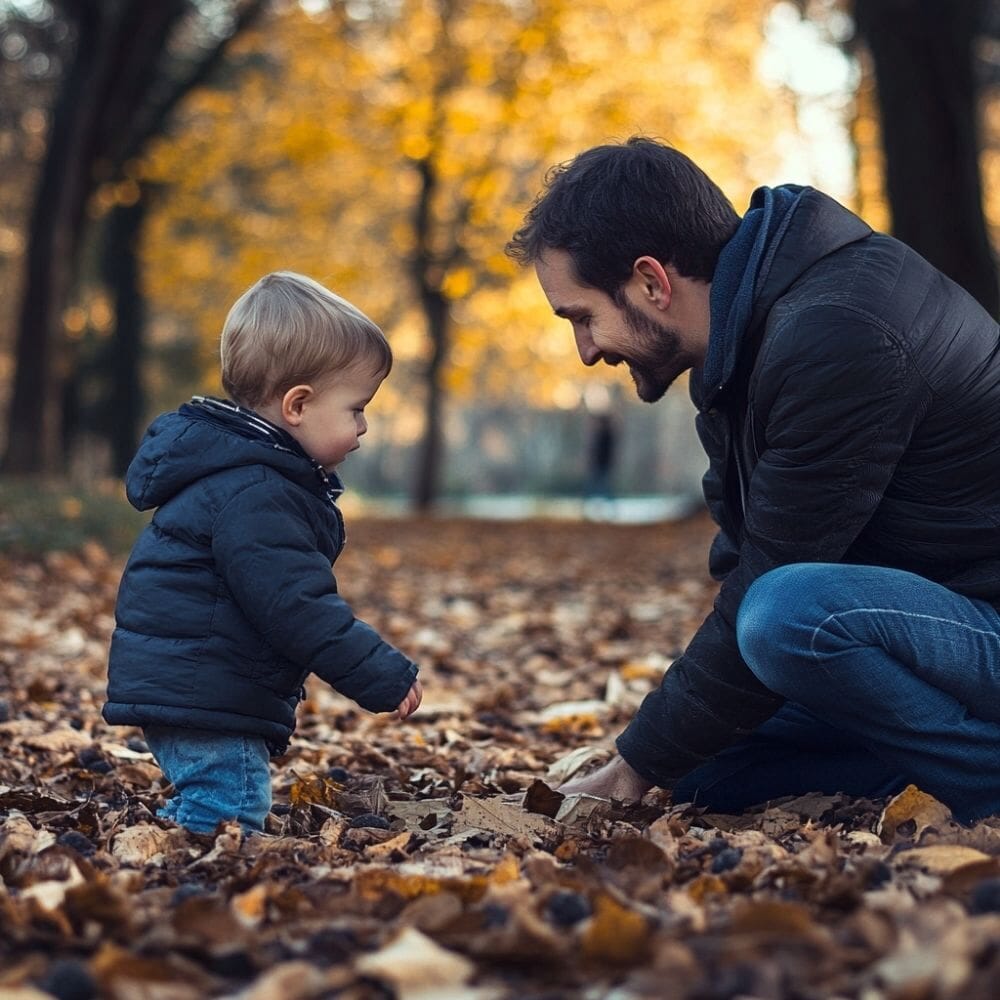
Simple acts of empathy and kindness can strongly shape how children understand compassion and relationships. Children often learn how to treat others by watching how compassion is modeled at home.
Offering a kind word, showing appreciation, or helping someone in need teaches children that kindness matters, especially during difficult moments.
Everyday ways to model kindness and empathy
How to model compassion during hard times
Tip #4: Encourage positive communication
 38% of our communication comes from our tone of voice. The way you speak to others helps shape your child’s understanding of respectful communication.
Even during frustration, using a calm and gentle tone teaches children healthier ways to express and manage emotions.
Use a positive tone of voice, even when upset
Here are a few ways to model positive communication, even when you’re upset:
- Pause before responding: Take a moment to breathe and gather your thoughts before reacting immediately.
- Keep a gentle tone: Even during frustration, try to speak calmly and respectfully so children feel emotionally safe.
- Lower the volume: Speaking more quietly can help reduce tension and create a calmer environment during conflict.
- Acknowledge your feelings: Calmly explain that you feel upset without attacking or blaming others. This helps model emotional honesty and accountability.
Using a calm and respectful tone helps children develop stronger emotional regulation and healthier communication skills.
Model manners with everyone you meet
Tip #5: Set consistent expectations
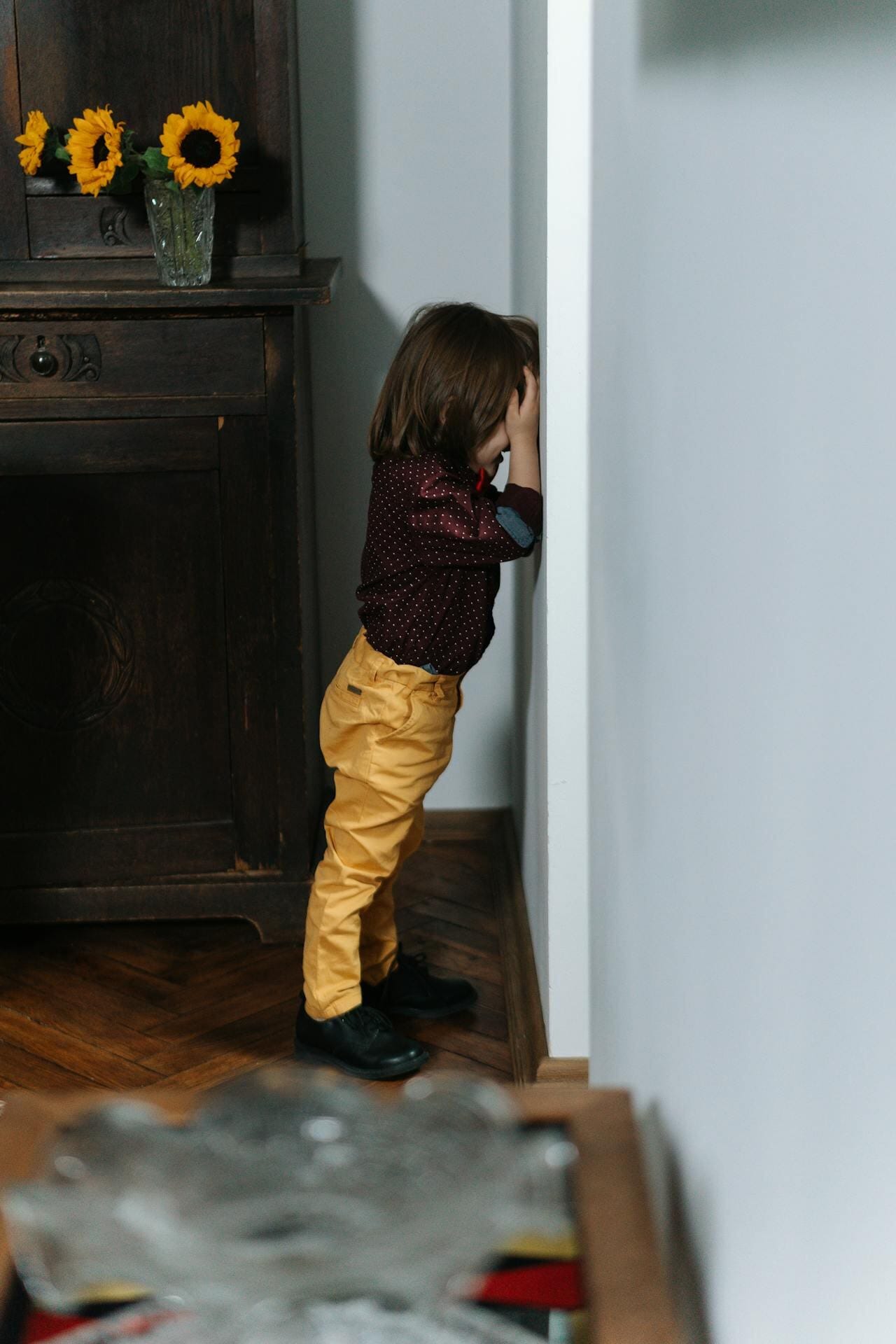 Setting consistent expectations helps children understand what feels safe, respectful, and important within the family. Clear boundaries, follow-through, and accountability help children feel more emotionally secure while learning responsibility and self-control.
Reward positive behavior and address negative behavior
Children thrive with clear, consistent expectations. When you establish that positive behavior is rewarded and negative behavior has consequences, it gives them a reliable structure to follow. Here’s how to put this into practice:
- Define expectations: Clearly explain what respectful and unhealthy behaviors look like so children understand what is expected.
- Be consistent with consequences: Follow through calmly and consistently when boundaries are crossed. This helps teach accountability and responsibility.
- Praise positive efforts: Acknowledge kind behavior, honesty, effort, or emotional growth so children know those behaviors matter.
- Model positive behavior: Children learn most by watching how parents handle stress, conflict, and difficult situations in everyday life.
Apologize when you slip up
Parents make mistakes, lose patience, and react emotionally sometimes. Offering a sincere apology teaches children that honesty, accountability, and relationships matter more than being “right.”
Explaining what you did wrong and how you want to respond differently next time also helps children learn humility and emotional responsibility. These moments can strengthen trust, emotional safety, and healthier communication within the family.
Model positive behavior by healing yourself first
Parents often model what they learned growing up, especially during stress, conflict, or emotional overwhelm. Healing old relational wounds can help parents respond more intentionally instead of reacting from unhealthy emotional patterns.
EMDR for relational trauma can help process unresolved experiences that still affect parenting, emotional regulation, and relationships today. Get a free consultation to begin building healthier emotional patterns within yourself and your family.
Modeling Positive Behavior FAQ
What is an example of behavior modeling?
Showing patience when frustrated teaches kids calm responses. Behavior modeling involves demonstrating the behaviors you want others to adopt. For example, if you respond calmly when things don’t go as planned, your child learns that patience is a valuable way to handle frustration. This shows them that actions are often more powerful than words.
What does it mean to model good behavior?
It means leading by example through your actions and words. Modeling good behavior means embodying values like respect, honesty, and kindness so that others, especially children, can follow suit. For instance, if you consistently use polite language and express gratitude, your child will likely adopt these positive habits by observing your example.
What are examples of positive behaviors?
Sharing, saying “please” and “thank you,” and helping others. Positive behaviors include actions that show kindness, respect, and cooperation. Examples are sharing toys, helping a friend, listening attentively, and expressing gratitude. These behaviors create a supportive and respectful environment, encouraging others to act similarly.
What is positive behavior strategies?
Using proactive methods to encourage good behavior. Positive behavior strategies are approaches that focus on reinforcing good behavior rather than punishing bad behavior. This might involve setting clear expectations, offering praise for achievements, and teaching problem-solving skills. These strategies create a constructive environment that motivates positive actions.
How to promote positive behavior as a parent?
Encourage, praise, and set clear expectations. To promote positive behavior, actively acknowledge good actions, give specific praise, and set consistent expectations. Create a positive environment by rewarding kindness and empathy, reinforcing the importance of these values. This approach motivates individuals to keep making good choices.